

Maximizing Business Impact with UX: How Service Safari Elevates Customer Experience at ITAKA Travel Agency
Embark on a Service Safari with Itaka travel agency users in Cyprus. Explore diverse UX insights for refining digital designs and enhancing travel experiences.
What is Service Safari?
UX research plays a crucial role in identifying areas to create experiences that exceed user expectations. The Service Safari method stands out as a practical tool that takes designers directly to the heart of real user experiences. It is a niche UX research method useful in the pre-idea phase. Designers, using Service Safari, interact with a specific product or service, observing every stage of usage. Unlike traditional research often conducted in a controlled laboratory environment, Service Safari allows for personal experiences and enables designers to see the product or service through the eyes of the user. It becomes part of the usage scenario—observing, recording, and engaging in processes that normally occur in the user's natural environment.
In the case of a project for the tourism industry, conducting Service Safari as an all-inclusive vacation allowed for a fuller understanding of the processes at each stage of the journey—from booking to returning home. I had a unique opportunity to experience travelling from the perspective of an ITAKA customer, discovering both positive and problematic aspects of the trip.
Forms of Service Safari
The Service Safari method takes on various forms. Each type of Service Safari provides a unique perspective on user experiences, adapting to the specificities of the research and the context of the designed product or service.
- Traditional Service Safari: The researcher participates in users' daily interactions with the product or service. This may include visits to stores, using online services, or even attending events related to a particular industry.
- Digital Service Safari: Analyzing user interactions with digital products or platforms and observing how users engage with mobile applications, websites, or social media platforms.
- Customer Service Safari: Focuses on customer service experiences. The researcher engages in interactions with customer service representatives, tracking the problem-solving process, responding to inquiries, and evaluating communication quality.
- Competitor Service Safari: The researcher analyzes user experiences with competitors' products or services. The goal is to identify the strengths and weaknesses of competitive solutions, providing inspiration for improvements to one's own product.
- Cultural Service Safari: Centered on understanding the cultural context in which users engage with the product or service. The researcher examines how cultural elements influence how the product is perceived and used.
- In-Home Service Safari: The researcher moves to the user's home environment, observing how the product integrates into everyday life at home. This is particularly relevant for products related to home life, such as smart home devices.
- Event-based Service Safari: Focused on studying user interactions in specific events or situations. This may include participating in conferences, festivals, or trade shows where users can use products in specific contexts.
Why it's worth utilizing this UX research method?
Service Safari brings various benefits, making it an incredibly useful tool in the field of UX design. The method allows designers to directly participate in real-life situations, providing a better understanding of users' daily challenges and needs. It enables immersion in the context where users genuinely interact with a product or service. This is crucial for a better understanding of the conditions in which products are used.
With Service Safari, researchers can observe users' natural reactions, capture details that might be challenging to grasp in traditional research, and thereby obtain more authentic data regarding user experiences. The method facilitates the identification of real user problems, allowing a focus on solutions that genuinely contribute to increased customer satisfaction.
Practical experiences with Service Safari also serve as a solid source of inspiration for designers, offering new ideas for innovative product features and solutions. It's a wellspring of creativity that encourages thinking beyond conventional patterns.
Service Safari in Cyprus
In my case, the primary goal of the research was to deepen the understanding of user experiences in the context of all-inclusive travel. This served as the foundation for refining the designed product for the ITAKA travel agency.
Considering that we are dealing with a unique group of customers with specific requirements and needs, understanding how these users interact with the offered service is crucial. The analysis had to encompass not only digital interactions but also those that occur in the offline environment. Understanding these dynamic relationships is key to effective UX design tailored to the real expectations and context of travel for this specific customer group.
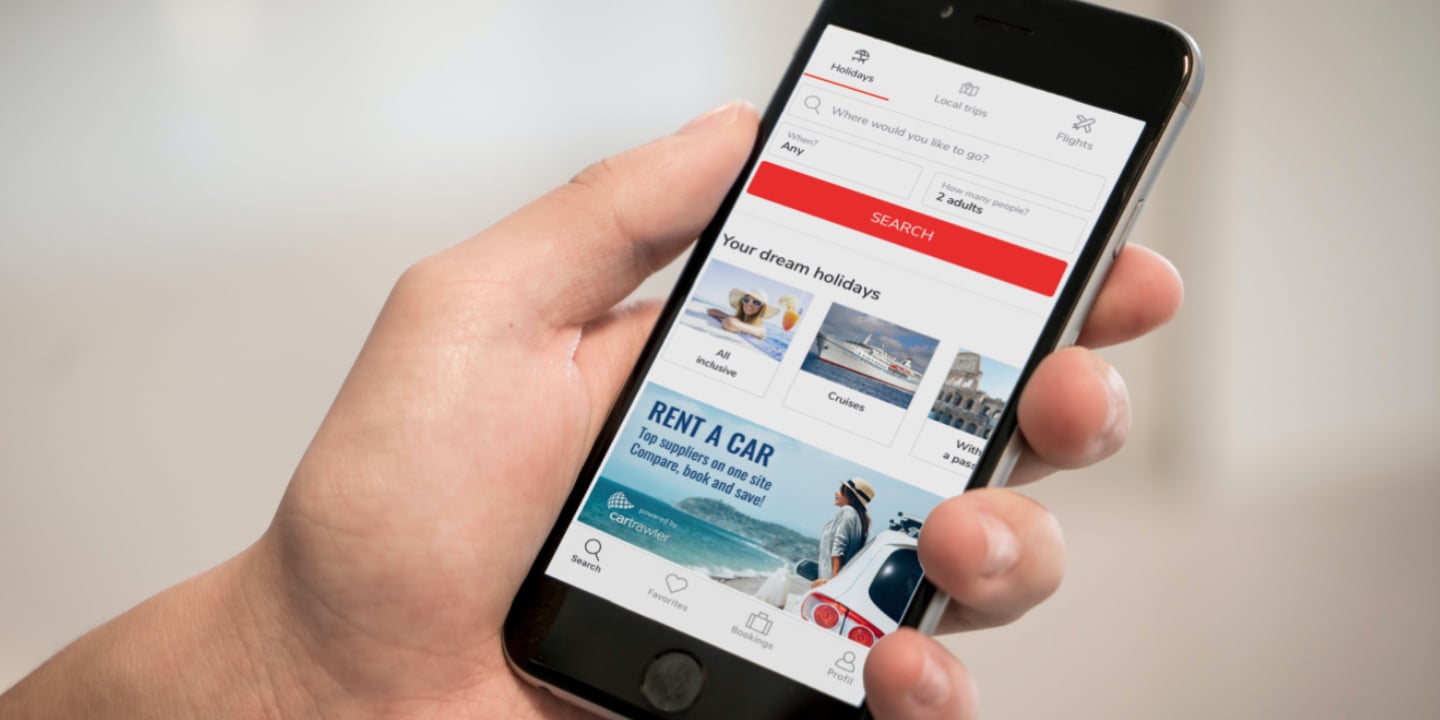
The conducted Service Safari study allowed me to thoroughly understand the processes and discover positive and negative experiences at various stages of the user journey. My particular area of interest was post-purchase customer service and communication during vacations, as well as identifying areas that might be prone to improvements or new features. Immersing myself as a travel agency customer, I embarked on a multi-day trip to Pafos, documenting my observations at each stage through notes, photos and screenshots to represent my user experience. I documented insights regarding the website and mobile app, post-purchase communication, customer service, travel, and stay during vacations.
The main areas of focus were:
- Booking process
- Post-purchase communication
- Airport transfer and assistance
- Accommodation and hotel stay
- Information in the mobile app and customer booking options
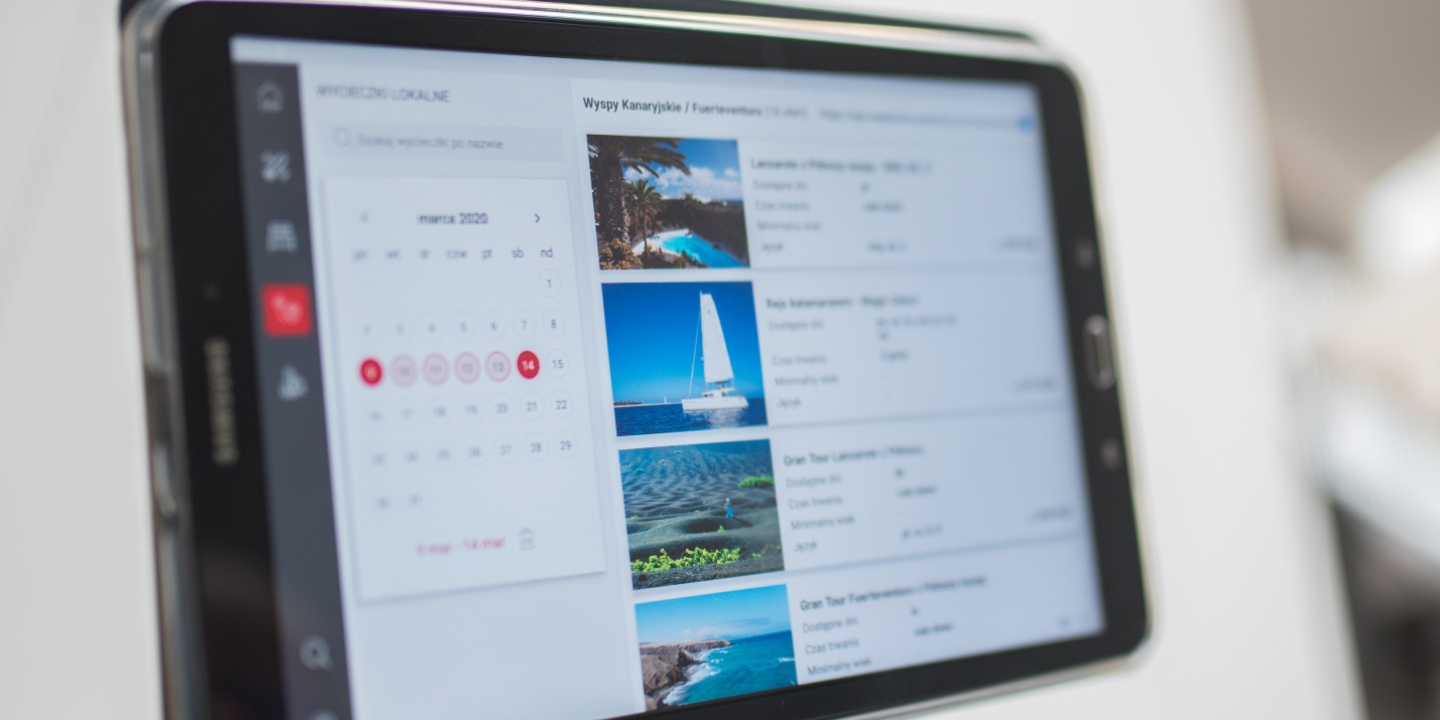
- Selection, purchase, and participation in optional excursions
- Communication before returning from the trip
Conclusions
Thanks to Service Safari, I gained a unique customer perspective. Through direct interactions with the service during the journey, I observed crucial details about users' preferences and needs.
During Service Safari, issues related to scattered post-purchase communication, lack of detailed information before and during the journey, and lack of updates to the app concerning significant aspects like purchased optional excursions were revealed.
The research indicated the importance of improving customer communication, enhancing mobile app functionality, and presenting hotel offers more comprehensively and attractively, especially in terms of amenities.
Service Safari allowed me to identify problems users face at every stage of their journey, providing a solid foundation for refining digital product designs. With a clear understanding of customer expectations, I can now better meet their needs and ensure more satisfying travel experiences.
In summary, Service Safari not only allows immersion into the users' world but also provides tools for a precise analysis of interactions with a product or service. It is an invaluable practice that yields specifically identified areas for improvement and knowledge that will serve as the foundation for future UX optimizations and innovations.
More from Insights





Data Management: How to Use Software to Organize and Analyze Your Business Data

Boosting Conversion Rates with Strapi Headless CMS: A Winning Combination

The Role of Project Management in Managing Remote Software Development Teams







Third-Party Cookies Are Soon to Be Gone. Instead, First-Party Cookies Are the Way to Earn Customers’ trust.


Workation in Thailand Seen “Through the Eyes” of Our UX/UI Designer – Angelika

Why is Flutter a High-Performance Framework for Application Development?

Android Jetpack Compose - Is Declarative Framework the Future of UI App Development?