

Do Not Underestimate the Power of UX in Travel
Do Not Underestimate the Power of UX in Travel
UX is very important, especially if you want to create intuitive and inclusive applications and websites. A proper user experience analysis should be performed during the process of developing software, especially when it comes to apps and services created for travel companies. Tourist agency customers have certain expectations and habits that every designer should take into consideration.
What is UX?
At the beginning, lets briefly describe what UX is and why is it so crucial in designing apps. Actually, the term is not a novelty. First reflections about user experience came along in the early nineties. It was studied in depth by Donald Norman who worked for Apple company. He closely analyzed all the aspects concerning users` interaction with digital (and not only digital) products. Nowadays, UX is described as the way users interact with websites, apps or even everyday products.
How to start?
Firstly, we need to focus on the basic needs of travel booking system users. There is no doubt that they need great user experience at every stage – during the booking process, as well as while using custom apps in holiday destinations. So, what are the basic travel software user needs? It is very important to name them. To help with that, user interviews will come in hand. This is the best way to discover the expectations of customers, as well as their habits and user pains they encounter when booking or traveling. The stage of interviews may seem difficult and time consuming, but it can provide a deep insight about typical user behaviour. Qualified UX researchers will be able to cope with that.
The devil`s in the detail
The right size and position of buttons, clear messages, contrast – at all matters. While building the app/website, it is essential to turn the users needs into a stably working software. A professional company will not go further down the development process without creating a prototype of the product. It helps to check if the interface is working properly. It is easy to check it by running user tests. They do not need to be performed on a large scale. Even a couple of user reviews will do the job. It is also important not to forget about choosing the right technology, technical background and simply… chemistry. The usage of the digital product must be enjoyable.
What else should a good UX team pay attention to while designing for travel industry?
- The proper display of essential information. How to inform users about special offers and important details?
- Tips and tutorials for travellers concerning using the app or website. It’s very useful to show them how to use your software.
- Price alerts, pop-ups and other additional features – how should they work? Cookies can collect precious info, use them to save time of your dear customers.
- UX writing – a good app is not only about the looks. A clearly written text is also a key factor here.
- Filters. The best way to help a traveller to find a perfect product.
- Cross sales. Carefully plan how to display complimentary products, so that they will seem more attractive and needed.
To sum all the features that a well-designed travel app or website should have, above you will find a list of key features
- It must be inclusive (designed for everyone – people of all ages and different computer skills). There is a popular saying – If your grandma can use the app, everyone will.
– It should be intuitive – don’t complicate the processes too much. Choose the easiest solutions.
– Useful and usable does not exclude pretty. Attractive user interface is also the key to satisfy the customer.
– Great technical background. Even the most beautiful and intuitive app will not work well when the backoffice causes issues.
Experience and knowledge
When searching for a perfect IT software development company, make sure that UX is not brushed aside. At Axabee, we always pay careful attention to design, integrating ux services to enhance both the aesthetic and functional aspects. We do our best to create an attractive user interface, but we also focus on user experience. Thanks to our highly skilled team consisting of people with great knowledge, we can deliver easy to use and intuitive software.
What are the most important attributes of a professional UX team member?
– Knowledge
– Experience
– Empathy
– Creativity
– Inquisitiveness
– Analytical thinking
– Great soft/communication skills
Our designers spent thousands of hours on analysing the behaviour of travellers, as well as travel agency workers, in order to create interfaces dedicated to particular industry. With good UX, users can easily achieve their goals and… your goals. Because the measure of clients satisfaction and happiness may also be the measure of your success.
If you wish to talk about perfectly designed software for travel industry, you`re in the right place.
Contact us and lets schedule a quick talk.
More from Insights
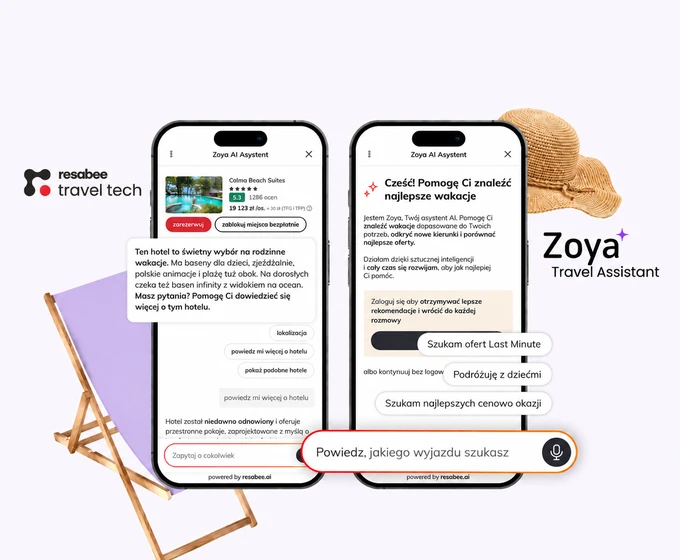





Maximizing Business Impact with UX: How Service Safari Elevates Customer Experience at ITAKA Travel Agency


Data Management: How to Use Software to Organize and Analyze Your Business Data

Boosting Conversion Rates with Strapi Headless CMS: A Winning Combination

The Role of Project Management in Managing Remote Software Development Teams

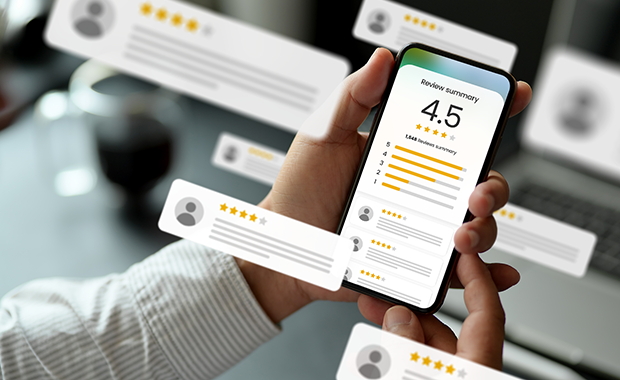
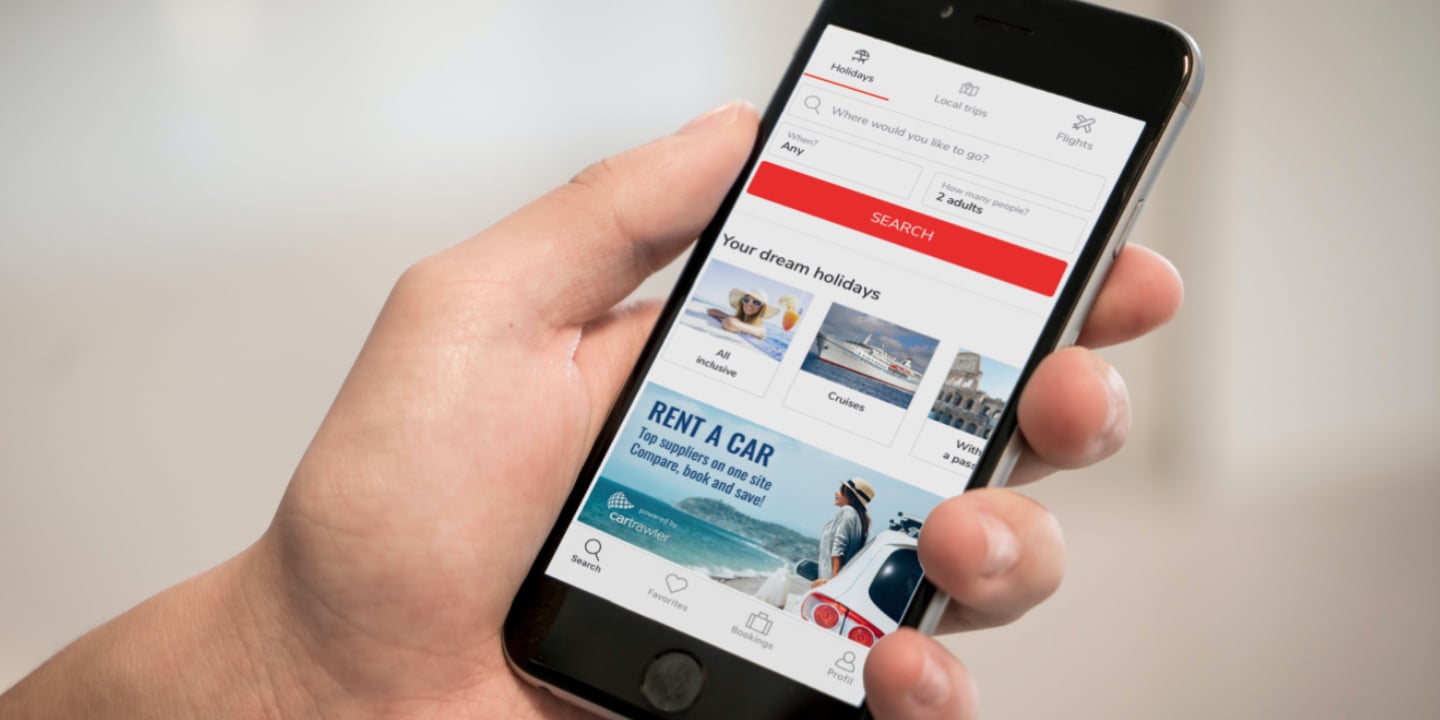






Third-Party Cookies Are Soon to Be Gone. Instead, First-Party Cookies Are the Way to Earn Customers’ trust.


Workation in Thailand Seen “Through the Eyes” of Our UX/UI Designer – Angelika

Why is Flutter a High-Performance Framework for Application Development?

Android Jetpack Compose - Is Declarative Framework the Future of UI App Development?